Common FAQs About Metal Furniture Legs and Support Hardware You Should Know
2026-08-08 19:27:21
Common FAQs About Metal Furniture Legs and Support Hardware You Should Know
Metal furniture legs and support hardware play an important role in providing stability, load-bearing capacity, durability, and appearance. They are widely used for tables, chairs, cabinets, sofas, beds, benches, and custom furniture.
What Materials Are Commonly Used?
Common materials include carbon steel, stainless steel, and aluminum. Carbon steel offers high strength and cost efficiency, while stainless steel provides better corrosion resistance. Aluminum is lightweight and suitable for applications where reduced furniture weight is important.
How Are Metal Furniture Legs Manufactured?
Typical processes include tube cutting, stamping, bending, welding, drilling, grinding, and surface finishing. CNC processing may be used when precise dimensions and complex geometries are required.
Manufacturing processes should be selected according to the leg design, material thickness, production volume, and required tolerances.
How Much Weight Can Furniture Legs Support?
Load capacity depends on material grade, tube diameter, wall thickness, leg geometry, mounting method, and load distribution. A larger-looking leg does not automatically provide higher capacity.
For commercial or heavy-duty furniture, load testing should be performed under conditions representative of actual use.
What Surface Finishes Are Available?
Common finishes include powder coating, electroplating, painting, anodizing, and polishing. Powder coating provides a durable decorative surface, while stainless steel may be brushed or polished to achieve a specific appearance.
The finish should match the furniture environment and required corrosion resistance.
How Can Rust Be Prevented?
For humid or corrosive environments, stainless steel or appropriately protected carbon steel can be selected. Proper pretreatment and surface coating are important for long-term corrosion protection.
Edges, welds, and drilled areas require particular attention because poor finishing can create potential corrosion points.
How Are Furniture Legs Attached?
Common mounting methods include mounting plates, threaded inserts, bolts, screws, welding, and adjustable fittings. The connection should distribute loads effectively and prevent loosening during repeated use.
Are Adjustable Legs Better?
Adjustable legs can compensate for uneven floors and help improve furniture stability. They are especially useful for cabinets, worktables, storage furniture, and commercial installations.
What Quality Tests Are Important?
Quality control should include dimensional inspection, weld inspection, coating adhesion, corrosion evaluation, load testing, and mounting-strength testing where applicable.
References
ISO 9001 – Quality Management Systems
ISO 12944 – Corrosion Protection of Steel Structures by Protective Paint Systems
ASTM D3359 – Standard Test Methods for Rating Adhesion by Tape Test
ASTM B117 – Standard Practice for Operating Salt Spray Apparatus
EN 12520 – Furniture — Strength, Durability and Safety — Requirements for Domestic Seating
EN 16139 – Furniture — Strength, Durability and Safety — Requirements for Non-Domestic Seating
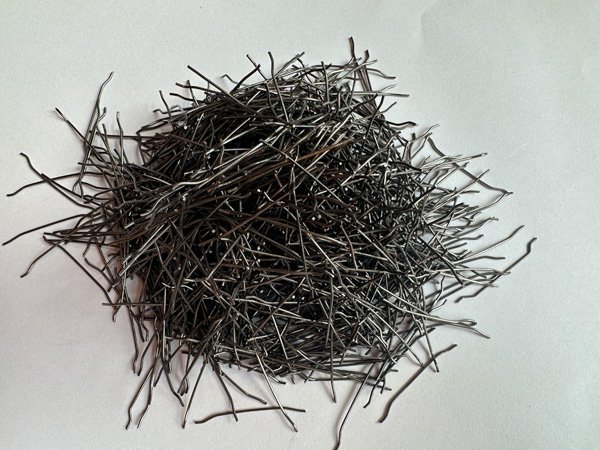
Hooked-End Steel Fiber: Premium Reinforcement for High-Performance Concrete Engineered for ...
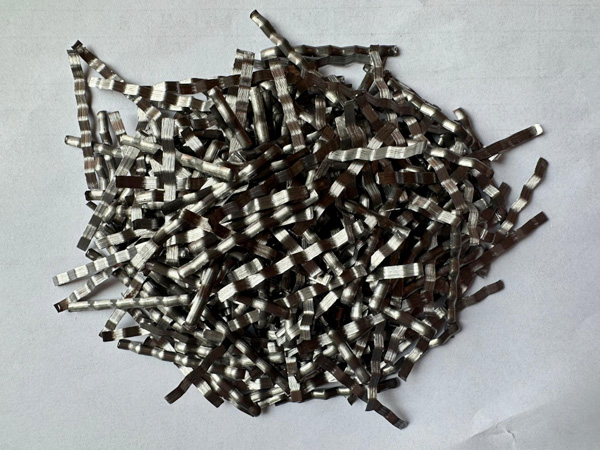
Milled Steel Fiber for High-Performance Concrete Reinforcement Our Milled Steel Fiber is en...
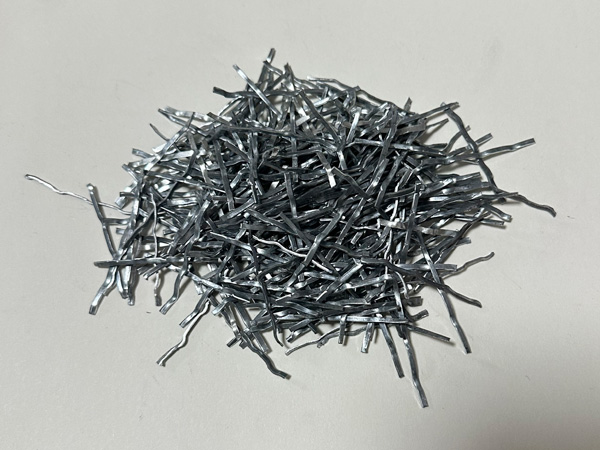
Sheared Steel Fiber for Concrete Reinforcement Our Sheared Steel Fiber is a high-performanc...
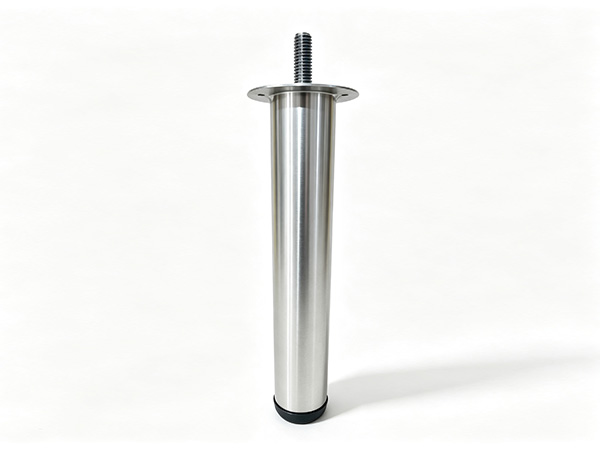
Stainless Steel Straight Furniture Leg with Round Flange Threaded Bolt The Stainless Steel ...