Common FAQs About Steel‑Fiber‑Reinforced Concrete You Need to Know
2026-08-08 19:23:06
Common FAQs About Steel-Fiber-Reinforced Concrete You Need to Know
Steel-fiber-reinforced concrete (SFRC) is widely used to improve the crack resistance, toughness, impact resistance, and post-cracking performance of concrete. The following FAQs explain the key points engineers, contractors, and buyers should understand.
What Is Steel-Fiber-Reinforced Concrete?
SFRC is concrete containing short, discrete steel fibers distributed throughout the concrete matrix. After cracking occurs, the fibers bridge cracks and transfer tensile stress, helping the concrete retain load-carrying capacity after initial cracking.
What Are the Main Benefits?
Steel fibers can improve post-crack toughness, resistance to impact and abrasion, fatigue performance, and crack-width control. They can also reduce the need for some conventional reinforcement in applications specifically designed for fiber reinforcement.
Where Is SFRC Commonly Used?
Typical applications include industrial floors, warehouses, pavements, tunnel linings, shotcrete, precast components, and heavy-duty slabs. The required fiber type and dosage depend on the structural design and service conditions.
Can Steel Fiber Replace Rebar?
Not automatically. Steel fibers may replace conventional reinforcement in certain applications when the structural design specifically permits it. Primary structural reinforcement may still be required depending on loading, geometry, and applicable building codes.
How Much Steel Fiber Is Required?
There is no universal dosage. The required amount depends on concrete strength, fiber geometry, structural loading, slab thickness, and required residual performance. Fiber dosage should be established through engineering design and testing, rather than selected solely by weight.
Do Steel Fibers Make Concrete Crack-Proof?
No. Steel fibers do not eliminate cracking. Instead, they help control crack development and limit crack width while improving the concrete's behavior after cracking.
Do Fibers Affect Concrete Workability?
Yes. Increasing fiber content can reduce workability and may affect pumping and finishing. Proper mix design, fiber geometry, aggregate grading, and mixing procedures are important for achieving uniform fiber dispersion without excessive fiber balling.
How Is Quality Verified?
Quality control should include inspection of fiber dimensions, geometry, tensile properties, dosage, and dispersion. Concrete performance can be evaluated through compressive-strength and residual flexural-performance testing.
References
ASTM A820/A820M – Standard Specification for Steel Fibers for Fiber-Reinforced Concrete
ASTM C1116/C1116M – Standard Specification for Fiber-Reinforced Concrete
ASTM C1609/C1609M – Standard Test Method for Flexural Performance of Fiber-Reinforced Concrete
EN 14889-1 – Fibres for Concrete — Part 1: Steel Fibres
ACI 544.4R – Design Considerations for Steel Fiber Reinforced Concrete
ACI 318 – Building Code Requirements for Structural Concrete
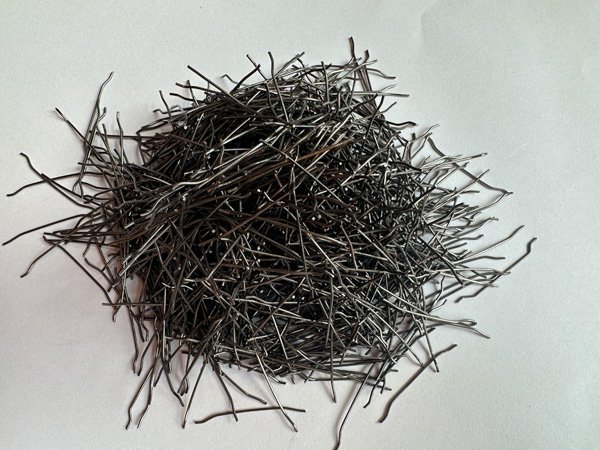
Hooked-End Steel Fiber: Premium Reinforcement for High-Performance Concrete Engineered for ...
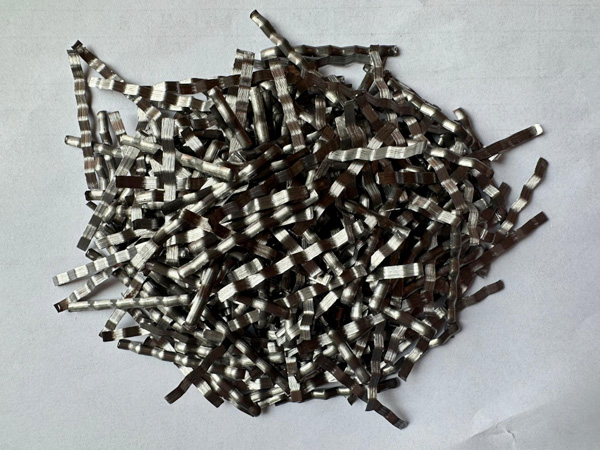
Milled Steel Fiber for High-Performance Concrete Reinforcement Our Milled Steel Fiber is en...
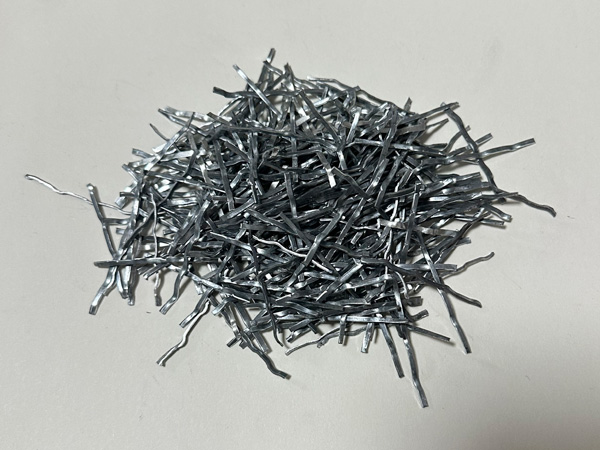
Sheared Steel Fiber for Concrete Reinforcement Our Sheared Steel Fiber is a high-performanc...
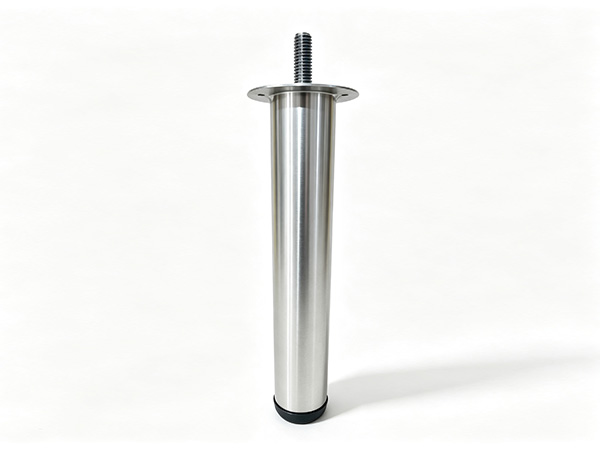
Stainless Steel Straight Furniture Leg with Round Flange Threaded Bolt The Stainless Steel ...