Steel Fiber for Concrete Reinforcement
2026-08-08 19:20:59
Steel Fiber for Concrete Reinforcement
Steel fiber is a short, discrete steel reinforcement material added to concrete or mortar to improve crack control, toughness, impact resistance, and post-cracking performance. Unlike conventional reinforcement bars, steel fibers are distributed throughout the concrete matrix, providing reinforcement in multiple directions.
How Steel Fiber Works
After concrete begins to crack, steel fibers crossing the crack act as small reinforcing bridges. The fibers transfer tensile stresses across cracks and limit crack opening, allowing the concrete to maintain greater load-carrying capacity after initial cracking.
This mechanism makes steel fiber particularly useful where resistance to repeated loading, impact, abrasion, or localized cracking is required.
Common Applications
Steel fiber reinforced concrete is widely used in industrial floors, warehouses, pavements, tunnel linings, precast concrete products, shotcrete, foundations, and heavy-duty slabs.
The appropriate fiber type and dosage depend on structural requirements, concrete strength, slab thickness, loading conditions, and construction method.
Fiber Types and Geometry
Steel fibers can be manufactured with different lengths, diameters, aspect ratios, shapes, and surface profiles. Hooked-end fibers are commonly used because their geometry can improve mechanical anchorage within concrete.
Deformed or crimped fibers can also provide enhanced bond characteristics. Material selection should consider both tensile properties and interaction with the concrete matrix.
Dosage and Mixing
Fiber dosage is normally specified by mass per cubic meter of concrete. Uniform fiber distribution is essential because fiber clumping can create weak or inconsistent areas.
Fibers should be introduced using an appropriate mixing sequence and sufficient mixing time. The concrete mix may require adjustment to maintain workability and pumping performance.
Performance Benefits
Properly designed steel fiber reinforced concrete can provide improved post-crack toughness, reduced crack widths, greater impact resistance, and better resistance to abrasion and fatigue.
Steel fibers may supplement or, in applications specifically designed for fiber reinforcement, partially replace conventional reinforcement. Structural design should always be based on project requirements and applicable engineering standards.
Quality Control
Quality inspection should verify fiber dimensions, tensile properties, geometry, surface condition, dosage, and uniform distribution. Concrete testing should evaluate compressive strength and, where required, residual flexural performance.
Fiber selection and dosage should be validated through laboratory testing and project-specific trial mixes before large-scale construction.
References
ASTM A820/A820M – Standard Specification for Steel Fibers for Fiber-Reinforced Concrete
ASTM C1116/C1116M – Standard Specification for Fiber-Reinforced Concrete
ASTM C1609/C1609M – Standard Test Method for Flexural Performance of Fiber-Reinforced Concrete
EN 14889-1 – Fibres for Concrete — Part 1: Steel Fibres
ACI 544.4R – Design Considerations for Steel Fiber Reinforced Concrete
ACI 318 – Building Code Requirements for Structural Concrete
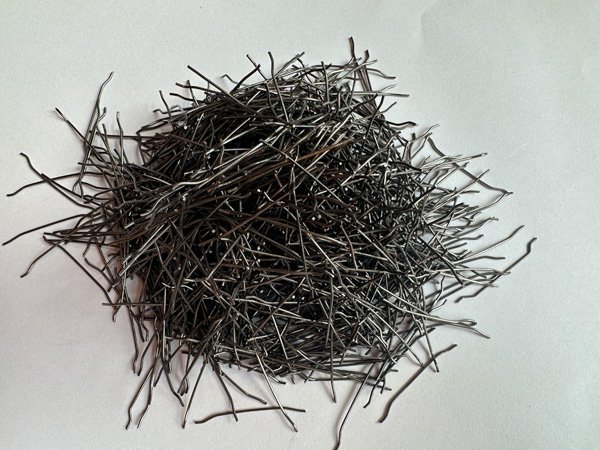
Hooked-End Steel Fiber: Premium Reinforcement for High-Performance Concrete Engineered for ...
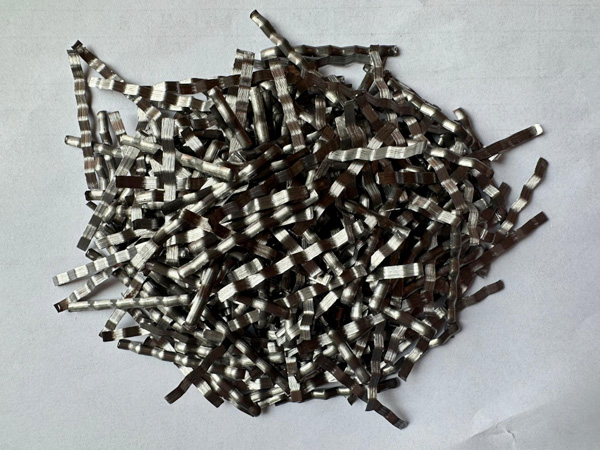
Milled Steel Fiber for High-Performance Concrete Reinforcement Our Milled Steel Fiber is en...
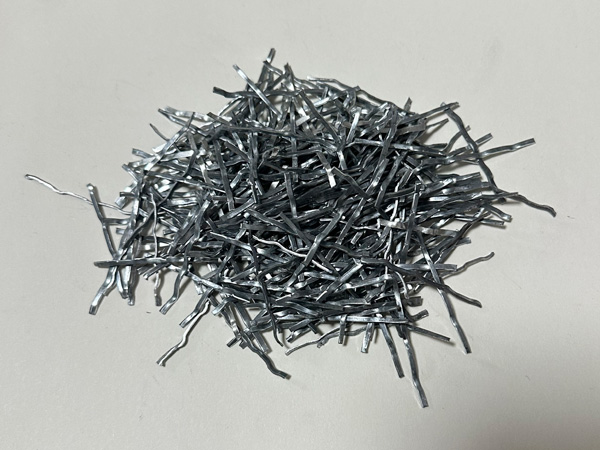
Sheared Steel Fiber for Concrete Reinforcement Our Sheared Steel Fiber is a high-performanc...
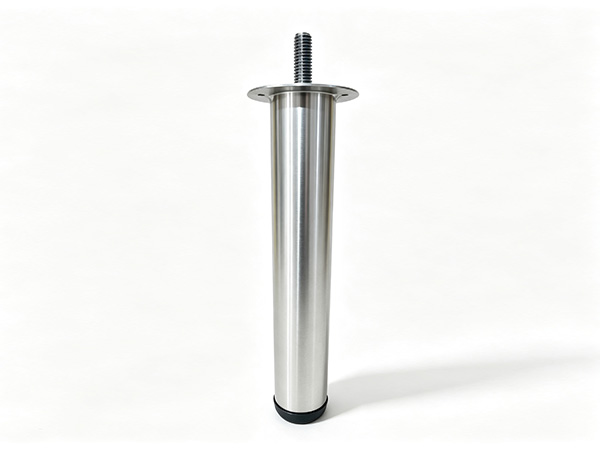
Stainless Steel Straight Furniture Leg with Round Flange Threaded Bolt The Stainless Steel ...